
GLB to STL Converter
Convert a GLB from Sketchfab, an AR tool or an AI generator into a binary STL for 3D printing, in your browser.
Your file never leaves this browser. No account, no upload, no limit on how many you convert.
Without Opolyo I might have never launched my SaaS and I would still be at $0 MRR.

Ryan Carter
HOW IT WORKS
How to Convert a GLB File to STL
Pick the GLB, check what the browser read, download an STL sized in millimetres.
Select the GLB
Choose a GLB up to 100 MB directly from your device.
Local file access only
Review model facts
Check the reported triangles, objects and bounding box before conversion.
Metres become millimetres
Save your STL
Download a binary STL with metres already converted to millimetres.
Ready for slicing
What People Print From a GLB
A GLB from an asset library, an AR tool or an AI generator usually ends up as one of these prints. These are the common next steps for the converted file.
Scanned Statue Replicas
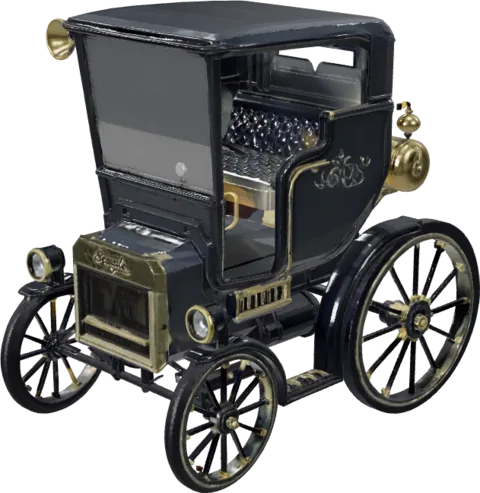
You print a physical copy of a scanned sculpture downloaded from Sketchfab.
Generate a model from a photo
Fantasy Creature Figures
You turn a digital creature asset into a collectible figure or gaming model.
OBJ to STL converter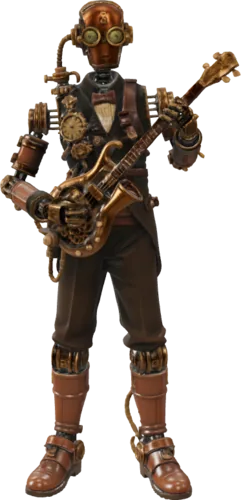
Miniature Furniture
You scale chairs, lamps and other interior assets into models for dioramas.
Describe a model in words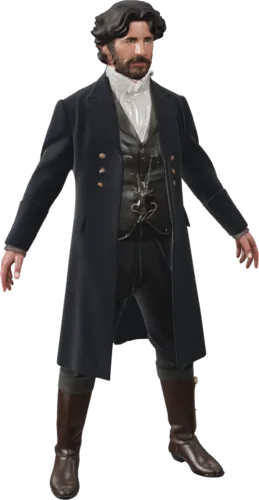
Rocks and Landscape Props
You use Poly Haven assets to produce terrain details for scenes and model railways.
STL to OBJ converter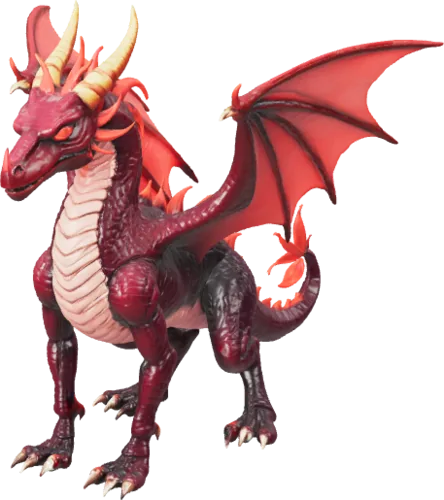
AI Generated Figurines
You convert an AI generated character or creature into a printable desk figure.
3D model converter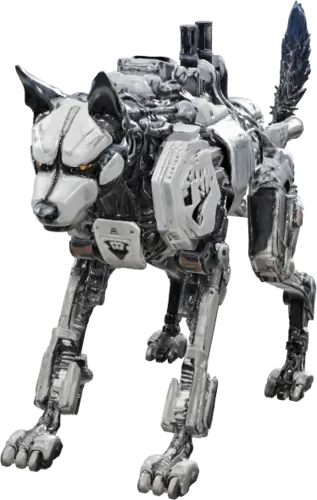
AR Product Models
You make presentation models from products originally prepared for an AR viewer.
FBX to OBJ converteropolyo-model.glb @ in about two minutes
What Survives .glb to .stl
Geometry
The mesh geometry is read from the GLB and written as binary STL triangles. Draco and meshopt compressed meshes are unpacked first.Colour
STL has no field for colour, so none of the GLB colour values carry over. The download is an uncoloured triangle surface.Materials
STL has no fields for materials or textures, so they are dropped. A GLB that marks KTX2 textures as required cannot be read at all: re export it with PNG or JPEG textures first.Units
The glTF specification declares metres and slicers read STL in millimetres. Every coordinate is multiplied by 1,000 before download.Topology
Scene nodes, object names and hierarchy are flattened into one triangle list. The STL describes the surface only.File size
Unpacking Draco or meshopt can make a dense mesh larger as STL. Texture bytes are not carried, since STL has nowhere to put them.
the file you have

the converter above
GLB metres become STL millimetres for slicing
INSIDE THE CONVERSION
How GLB to STL Conversion Builds the Output
The browser turns a GLB scene into a triangle surface in four stages. Each stage below says where the geometry, the dimensions and the final STL come from.
- 01
Scene transforms settle into triangle positions
GLB can place meshes through nested nodes; STL stores only final triangle coordinates.
Each mesh is evaluated in its world position before its vertices are written, so translation, rotation and scale end up in the output geometry. Node names and hierarchy are not carried.
- 02
Compressed geometry is decoded first
Draco and meshopt shrink the bytes inside a GLB, and a slicer needs plain triangle coordinates.
The browser unpacks either compression before export. The compressed source stays on your machine.
- 03
Metres become millimetres exactly once
The glTF specification declares metres, so every GLB coordinate is multiplied by 1,000 for the STL.
A model 0.15 metres across becomes 150 in the STL, and a slicer reads that as 150 millimetres. There is no scale to guess after import.
- 04
The geometry report exposes surprises
Triangle count, object count and converted bounds appear before the download button.
Use the counts to confirm every mesh loaded, then compare the millimetre bounds with the print size you expect. An incomplete scene or an odd source scale shows up here, before the file reaches the slicer.
SPECIFICATIONS
GLB to STL Specifications
Reads supported GLB geometry, converts metres to millimetres and writes binary STL.
Input
- Accepts
- .glb and .gltf
- Size ceiling
- 100 MB
- Compression
- Draco and meshopt
Output
- Writes
- Binary STL
- Topology
- Triangles
- Colour
- Not stored
Scale and cost
- Scale
- Millimetres
- Conversions
- Unlimited
- Price
- Free
BEFORE YOU CONVERT
Why Opolyo, not a typical GLB to STL converter
WHAT YOU GET
STL ready models you can spin right here
The models below were made with Opolyo. Drag one to spin it. What you download above is the same kind of file: a real mesh, sized in millimetres, ready for the slicer.
Pricing
Every credit turns into a model you keep
Billed every month. Cancel anytime.
Start
For your first prints and props
$19.99
USD
Billed monthly
- 160 credits / month (16 generations)
- Standard and Ultra PBR textures
- GLB, STL & OBJ export
- Built-in format converter
- Failed generations refunded automatically
- Commercial license
- Email support
Cancel anytime.
Build
For people who ship models weekly
$39.99
USD
Billed monthly
- 360 credits / month (36 generations)
- Standard and Ultra PBR textures
- GLB, STL & OBJ export
- Built-in format converter
- Failed generations refunded automatically
- Commercial license
- Email support
Cancel anytime.
Scale
For studios and print farms
$89.99
USD
Billed monthly
- 900 credits / month (90 generations)
- Lowest cost per credit
- Priority email support (24h response)
Cancel anytime.
I filled my first map in just one afternoon! That's 24 props already.

Marcus Reed
Built a GameGLB to STL Converter FAQ
- Yes, if the file is 100 MB or smaller and does not require KTX2 textures. The browser reads the mesh and writes a binary STL.
- Yes. Draco geometry is unpacked in the browser before the triangles are written.
- Yes. Meshopt geometry is unpacked in the browser tab as well.
- A GLB that marks KTX2 textures as required cannot be read at all, geometry included. Re export it with PNG or JPEG textures and try that file.
- No. It writes the loaded triangles as they are, and shows the triangle count before download.
- No. It runs on your own machine, so it is free and uses no credits.
- No. Select, inspect and download without an account.
- No limit on how many files. Each file can be up to 100 MB.
- No. The browser reads and converts the model on your device.
- No. Draco and meshopt decoding happen in the same browser tab.
- Triangle count, object count and bounding box, all read from the GLB. Check them before you download.
- glTF declares metres and slicers read STL in millimetres. The converter multiplies every coordinate by 1,000 so the print comes out the right size.
- No. STL is a triangle list with no storage for textures, materials or colour.
- Yes. The picker accepts GLB and glTF. A glTF needs its geometry embedded, since the picker cannot collect separate buffer files.
- Check that the millimetre bounds match the print size you want, then set orientation and supports in the slicer. The metre to millimetre change is already done.
- Yes. The paid side of Opolyo generates a 3D model from a written description or a single photo, and that uses credits. Converting a GLB you already have stays free.
What people make with Opolyo
5,873 makers and counting. A few of them told us what they made, and what happened next.
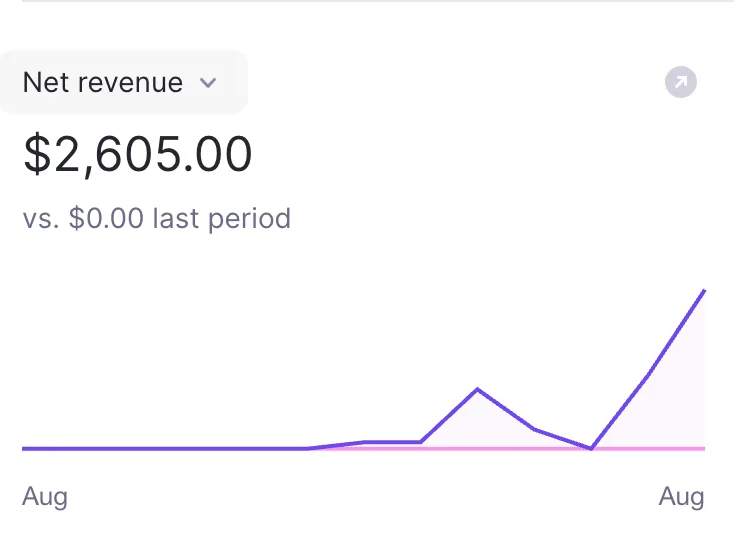 I’m a game dev and originally started using this to turn some of my reference images into 3D assets for a project. A few of the models turned out better than I expected, so I cleaned them up and started selling them on the side too. Just crossed $2,600 in net revenue from those 3D models. Never really planned on becoming an asset seller, but I’m definitely not complaining 🙌NNathan Brooks
- Didn’t think a single image would get me this far. The model needed a little cleanup, but I had a solid base ready in minutes. Saved me an entire afternoon.DDylan Reeves
- Turned one of my kid’s drawings into a little 3D character with Opolyo. She absolutely lost it when she saw it. Probably the most fun thing I’ve made with this so far.KKyle Brandt
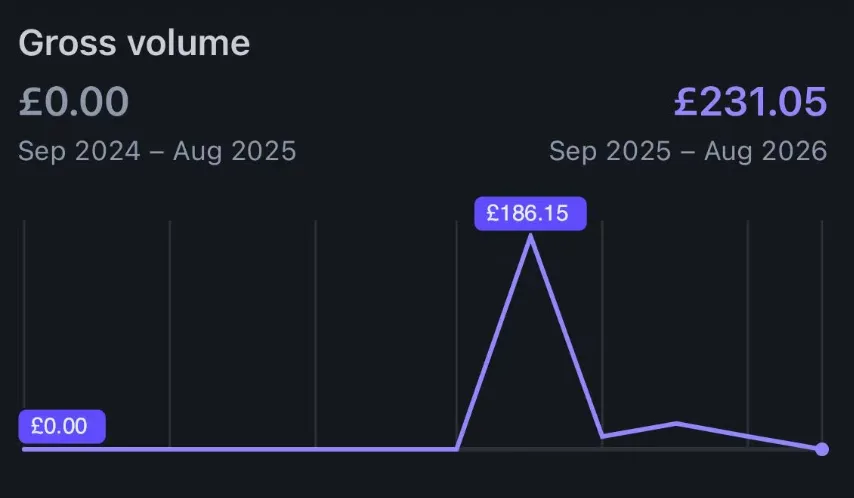 Honestly didn’t expect anyone to actually pay for the 3D stuff I was making. Put a few of them up for sale just to test it and somehow made £231 from my models. Still feels a bit unreal seeing that number 😂OOwen Whitaker
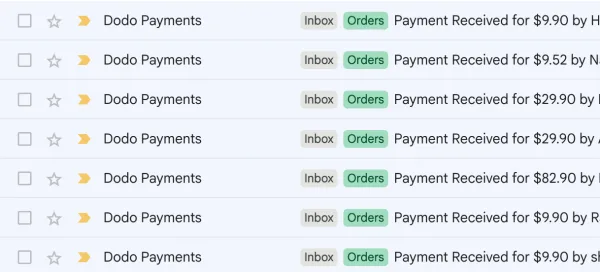 I started using Opolyo for a few custom 3D requests from clients and somehow it turned into a little side service of its own. Some people just need a quick conversion, others want more detailed work, so the order sizes are all over the place. Seeing multiple paid requests come in on the same day still feels pretty surreal. Never thought image-to-3D would become something clients actually kept coming back for.AAdam Pike
- I use a lot of reference images when working on interior concepts, and this made it really easy to turn an object I liked into a rough 3D asset. I still adjusted a few things afterward, but it saved me from modeling the whole thing from zero.CClaire Bennett
- Couldn’t find the exact prop I needed anywhere, so I threw the reference image into Opolyo as a last resort. The first result wasn’t perfect, but the overall shape and proportions were already there. It actually looked like the thing in my reference. After a little cleanup, it was exactly what I needed.JJonah Reyes
- Used it to turn a couple of product images into 3D models for our store. Took a few tries to get the best result, but still much easier than hiring someone to model everything manually.GGrant Miller
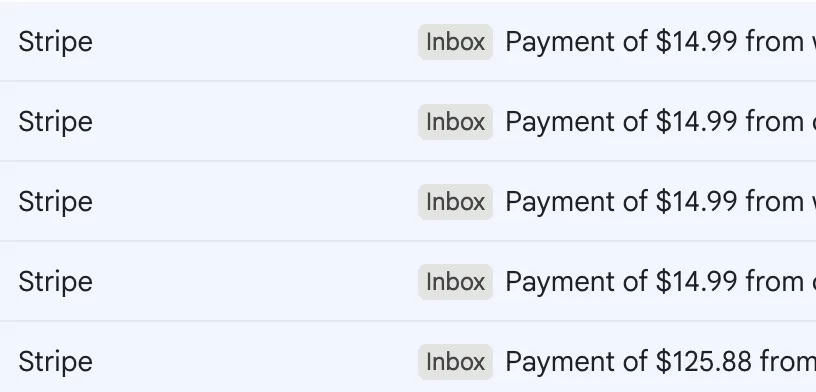 Woke up, checked my inbox and Stripe notifications just kept showing up. Most were $14.99 orders, then a $125.88 payment landed later in the day. I’m still pretty new to selling my 3D stuff, so seeing 5 sales come in on the same day was a really nice feeling. 🔥MMiles Prescott
- I had a photo of a small figurine from years ago that I couldn’t find anywhere anymore. Tried putting it into Opolyo just to see what would happen, and the result was honestly better than I expected. It felt like bringing an old thing back to life. I still want to clean up a few details before printing it, but this is probably my favorite use so far.RRiley Fenn
- Turned a photo into a little 3D model, printed it, and gave it to a friend for his birthday. Wasn’t expecting him to react that much 😂 He absolutely loved it. Now I’m thinking of making a few more for Christmas.TTyler Hodge
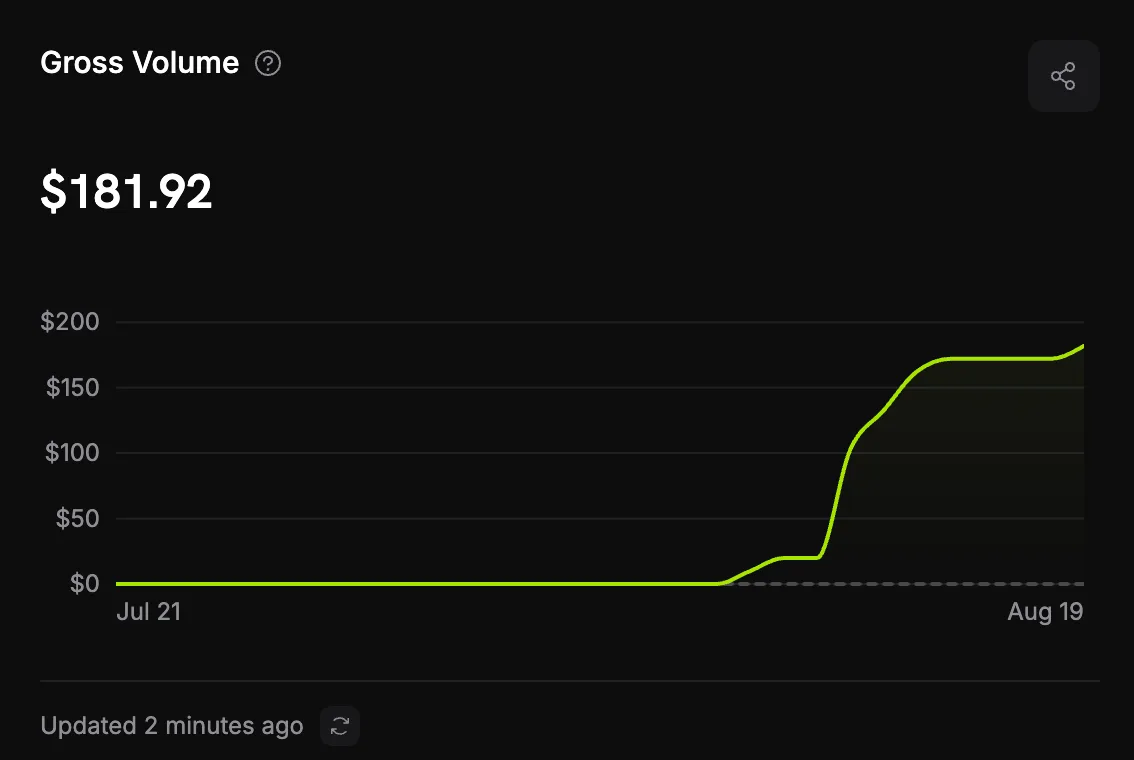 I mostly got into this because I like 3D printing and wanted to make a few custom pieces without learning modeling from scratch. Then a couple of people asked if I could make something for them too, so I started taking small requests here and there. Just hit $181.92 from custom 3D commissions. It’s not a huge number, but getting paid for something I was already doing for fun feels pretty awesome.WWes Delaney
- Been playing around with this for a small game project and some of the results are actually really fun. I generated a few props from reference images and one of them ended up fitting the scene perfectly. It’s staying in the game.EEvan Ross
Move your GLB to print
Convert the GLB above, or generate new geometry from an image or text with paid AI.